Katsudon: What It Is And How To Make It At Home
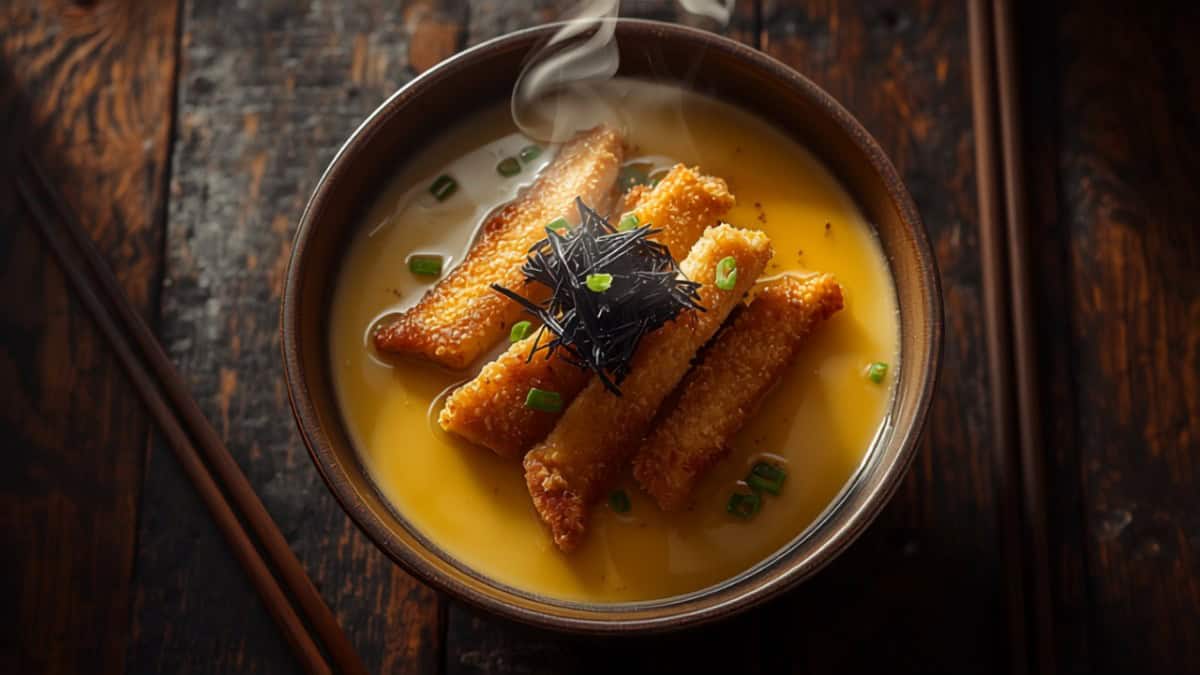
Katsudon is a Japanese rice bowl made of tonkatsu, a crispy panko-breaded pork cutlet, simmered briefly with onions in a sweet-savory sauce, held together with barely-set egg, and slid over hot rice. The name is a mashup: katsu from tonkatsu, don from donburi, the deep bowl it’s served in.
If you got here by typing “cashudon” into a search bar, you’re in the right place. That spelling usually means katsudon, the fried cutlet bowl. But there’s a second dish hiding behind it, and I’ll clear that up in a minute.
I make katsudon on nights when I want takeout-level comfort food without leaving the house. Start to finish it takes me about 35 minutes, and most of that is frying the cutlet. Below is what katsudon actually is, the four parts that matter, exactly how I make it, and the shortcuts that still taste right.
What Is Katsudon?
Katsudon is one of Japan’s donburi, the big family of rice bowls where the topping is cooked in a seasoned sauce and served straight over the rice so the sauce soaks down into it. Gyudon uses simmered beef. Oyakodon uses chicken and egg. Katsudon uses a sliced pork cutlet and egg, which makes it the crunchiest member of the family, at least for the first minute or two.
Here’s the part I love: in Japan, katsudon is exam food. Katsu sounds like the verb “to win,” so students eat a bowl the night before a big test for luck. I can’t promise it helps, but I’ve never regretted the bowl.
The dish works because of contrast. You take something crisp and fried, then deliberately soften half of it in a pan of sweetened dashi and soy with onions, then pour beaten egg around it so everything sets into one loose, savory layer. The bottom of the cutlet drinks up sauce while the top edges stay a little crunchy. Over rice, it eats like a casserole you built five minutes ago.
Katsudon Vs Chashu Don (The Cashudon Confusion)
One consonant is doing a lot of work here. Katsudon is the fried cutlet bowl we’re making today. Chashu don, which often gets written as cashu don or cashudon, is a completely different bowl: pork belly braised low and slow in soy, sake, and mirin, the same pork you find draped over ramen. No breading, no frying, no egg poured on top.
Both are worth making. If the slow-braised version sounds like your kind of project, I have a full chashu don recipe that walks through rolling and tying the pork belly. Katsudon is the weeknight one. Chashu don is the weekend one.
The Four Parts That Matter
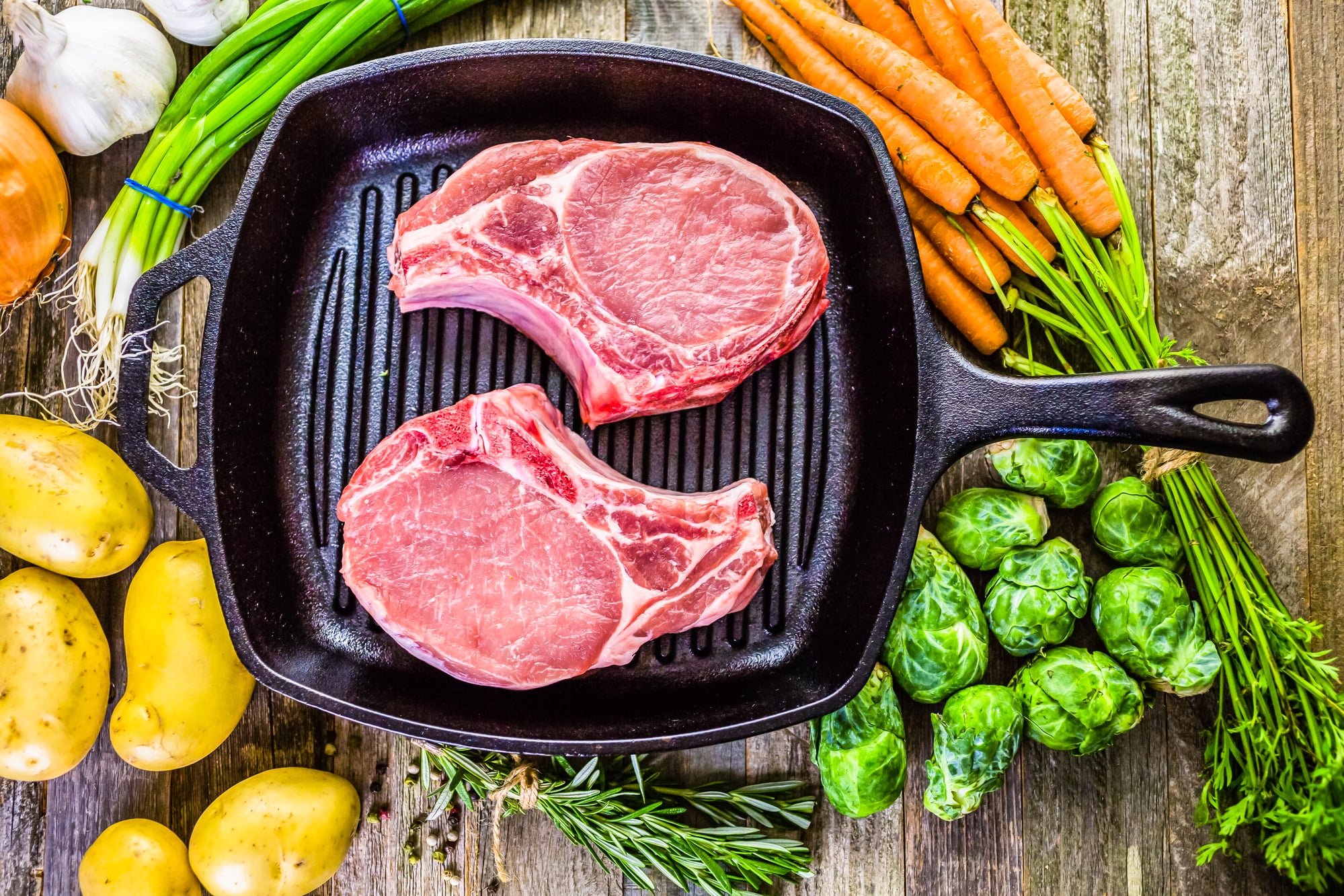
The cutlet. Boneless pork loin chops about half an inch thick are the classic. Pound them a little flatter, salt them, then run them through flour, beaten egg, and panko. Panko is non-negotiable for me. Regular breadcrumbs go dense and greasy under sauce, while panko’s big flakes keep some structure even after simmering.
The sauce. A simple mix of dashi, soy sauce, mirin, and a spoonful of sugar. Dashi is the smoky-savory Japanese stock, and instant dashi granules are completely fine here. That sauce simmers with sliced onions until they’re sweet and soft, and it’s what turns a plain fried cutlet into katsudon.
The egg. Lightly beaten, poured around the sliced cutlet near the end, then covered just until it’s barely set. Traditional katsudon egg is still a bit loose and glossy. It’s a texture thing, and it’s the step people are most tempted to overcook.
The rice. Short-grain Japanese rice, the kind that clings to itself. I’ve written before about Calrose rice and sushi, and Calrose is exactly what I use for donburi. Long-grain rice won’t hold the sauce the same way.

What You Need (Serves 2)
For the tonkatsu: 2 boneless pork loin chops (about 1/2 inch thick), salt and pepper, 1/4 cup all-purpose flour, 1 beaten egg, 1 cup panko, neutral oil for frying.
For the bowls: 1 cup dashi (from instant granules is fine), 3 tablespoons soy sauce, 2 tablespoons mirin, 1 tablespoon sugar, 1 medium yellow onion (thinly sliced), 4 eggs (lightly beaten), 2 big bowls of hot cooked short-grain rice, 2 sliced scallions.
How To Make Katsudon
This makes two bowls. If you’re feeding four, fry all the cutlets first and simmer them in two batches. A small skillet matters more than you’d think: a 10-inch pan is right for two servings, because the egg needs a snug space to set around the pork.
Step 1: Fry The Cutlet
Season the pork chops with salt and pepper, dredge in flour, dip in beaten egg, and press into panko until every edge is coated. Fry in about half an inch of neutral oil over medium heat, 3 to 4 minutes per side, until deep golden and cooked through. Rest on a rack for a few minutes, then slice into strips about the width of your thumb.

Step 2: Simmer The Onions
While the pork rests, combine the dashi, soy sauce, mirin, and sugar in that same small skillet, wiped of oil. Add the sliced onion and simmer for 4 to 5 minutes, until the onion is soft and the sauce has reduced slightly and smells more sweet than salty.
Step 3: Add The Katsu And The Egg
Lay the sliced cutlet on top of the onions and let it warm through for about a minute so the bottom starts soaking up sauce. Pour the beaten eggs evenly around and over everything, cover the pan, and cook for 1 to 2 minutes. You want the egg just set at the edges and still glossy in the middle. If a loose egg isn’t your thing, give it 30 extra seconds covered, but don’t walk away from it.
Step 4: Slide It Over Rice
Fill two deep bowls with hot cooked rice, then slide half the katsu-egg-onion layer over each, sauce and all. Top with sliced scallions. Eat it while the contrast between crisp edges and soaked bottom still exists, because that window is the whole point.
My Tips For Getting It Right
I’ve made this bowl enough times to have found most of the ways to wreck it, so learn from my mistakes.
Slice before you simmer. A whole cutlet dropped into the sauce turns uniformly soggy, and you can’t cut it cleanly in the pan. Slicing first means every strip gets sauce on the bottom and keeps its crunch on top.
Don’t drown the katsu. The sauce should come maybe a third of the way up the pork, not cover it. You spent ten minutes making something crispy. The simmer is a quick dip, not a bath.
Keep the heat gentle for the egg. High heat turns the egg layer into a rubbery omelet. Medium-low with a lid does the job in under two minutes.
Taste your sauce before the pork goes in. Brands of soy sauce vary a lot in saltiness. It should taste a touch sweeter than you want the final bowl, since the rice dilutes it. And if you’re wondering, tonkatsu sauce, the thick brown bottle sauce, is for plain tonkatsu, not katsudon. It’s closer to a Japanese Worcestershire than anything else, and it has no place in the simmering pan.
Shortcuts That Still Taste Right
Leftover or frozen tonkatsu makes shockingly good katsudon. This dish was practically invented to revive day-old cutlets. A store-bought breaded pork cutlet, or even a good chicken cutlet, works too, and chicken katsu simmered this way is a legitimate bowl in its own right.
No dashi? Use chicken stock cut half-and-half with water plus a teaspoon of soy sauce. It won’t have dashi’s smoky depth, but the bowl still works. I keep a jar of instant dashi granules in the pantry, and it lasts close to forever.
No mirin? A tablespoon of sugar dissolved in two tablespoons of water with a small splash of rice vinegar gets you most of the way there.
And if one-pot comfort food is your lane, my sopa de salchichón and tripleta sandwich are the Puerto Rican cousins of this exact mood: cheap, fast, and better than they have any right to be.
Katsudon FAQ
What Does Katsudon Taste Like?
Sweet-savory and rich. The sauce is soy-forward with a mild sweetness from mirin and onions, the pork is juicy under its softened crust, and the egg ties it together. It’s closer to comfort food than to anything spicy or sharp.
Is It Spelled Katsudon Or Cashudon?
Katsudon. “Cashudon” is a common way people spell it from memory, and search engines mostly figure out what you mean. Just know that chashu don (also written cashu don) is a real, separate Japanese dish made with braised pork belly instead of a fried cutlet.
Can I Make Katsudon Without Dashi?
Yes. Diluted chicken stock with a little extra soy sauce is the best stand-in, and plenty of home cooks in Japan use instant dashi granules anyway. The bowl loses a little smoky depth but none of its structure.
What Cut Of Pork Is Best For Katsudon?
Boneless pork loin chops around half an inch thick. Loin has a ring of fat that bastes the cutlet while it fries but stays lean enough to slice cleanly. Tenderloin works if you pound it evenly, and it gives you a more delicate cutlet.
